How to Choose Thunder Bay Professional Electricians
Professional Electrical Contractor Options for All Needs
Skilled electrical professionals provide expert services that handle a wide variety of needs in residential and commercial industries. These specialists assure adherence with safety regulations and improve operational performance. From installations to energy management, their expertise is vital for reducing risks and avoiding expensive mistakes. Grasping the nuances of local regulations reinforces their importance. However, navigating the selection and engagement process can be complex, bringing up important inquiries about how to select the suitable contractor for your specific needs.
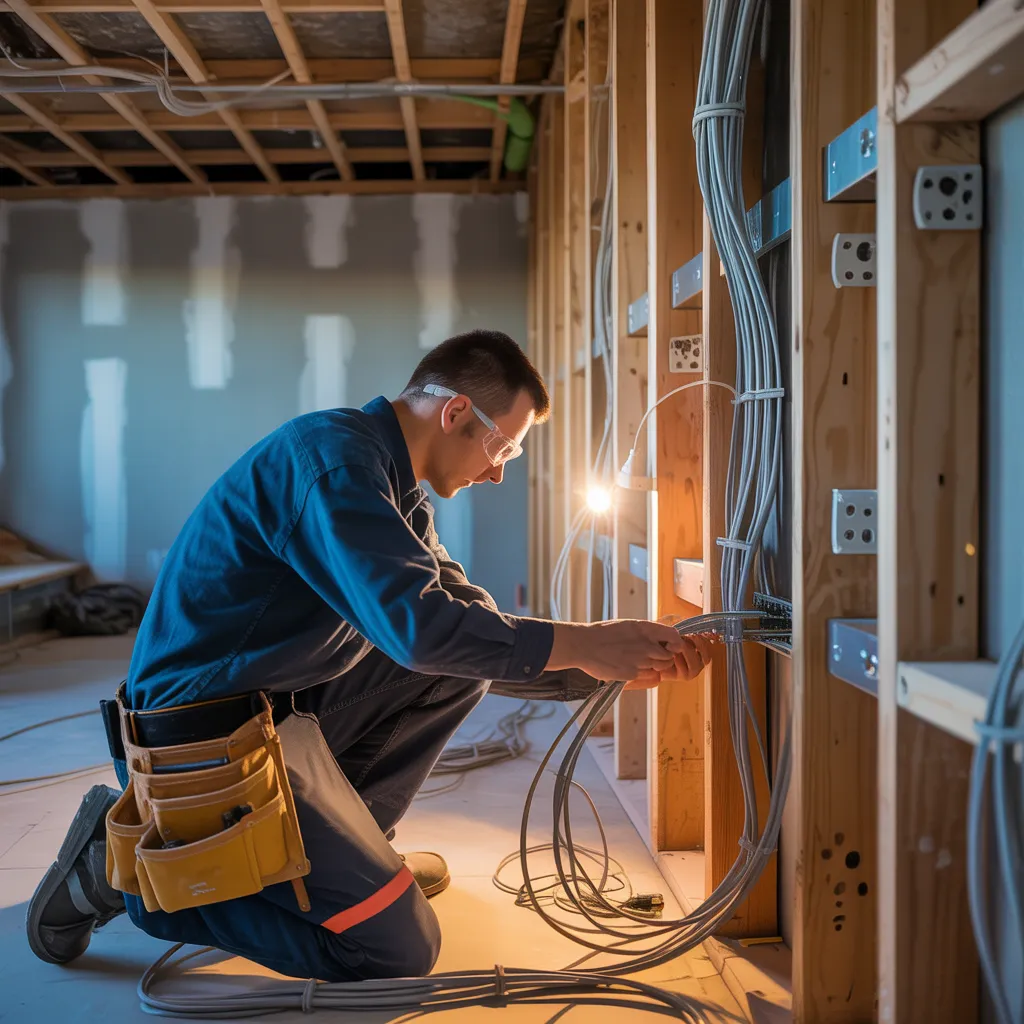
Why Retaining a Qualified Electrical Specialist Is Vital
Retaining a proficient electrician professional can greatly impact the integrity and capability of a property's electrical system. These authorities hold the critical expertise and experience to guarantee that all electrical work complies with local guidelines and regulations. This respect minimizes the potential of hazards such as electrical fires, shock, and equipment failure. Additionally, a seasoned contractor can expertly determine the specific electrical needs of a property, presenting tailored solutions that enhance efficiency and performance.
Alongside safety, contracting with an expert can avert expensive blunders that commonly originate from DIY projects or hiring unqualified technicians. Their competence supports efficient project completion while upholding quality. Besides, a established contractor typically offers guarantees and coverage, affording confidence to homeowners. At the end of the day, the choice to hire a certified electrical contractor is not just about convenience; it is an investment in the long-term reliability and safety of a property's electrical system.
General Electrical Services Extended by Contractors
A complete range of technical services is ordinarily supplied by firms to meet varied customer needs. These products involve residential wiring, where contractors fit and service electrical infrastructure in homes, ensuring protection and compliance with local codes. Trade electrical services encompasses installations and repairs in commercial venues, concentrating on efficient energy use and reliable operation.
Additionally, contractors supply lighting installation and upgrades, boosting both aesthetics and functionality in various spaces. They also specialize in identifying and fixing power system issues, tackling problems like flickering lights or circuit overloads.
Moreover, efficiency audits are executed to support customers lower usage rates and cut energy costs. Contractors regularly provide support for the installation of automated home technology, deploying technology for superior management and user convenience. In conclusion, emergency electrical services are obtainable to tackle immediate concerns, confirming that clients acquire fast assistance when necessary.
Examining Electrical Contractor Certifications
Reviewing the credentials of an electrical contractor is key for upholding quality and safety in electrical work. Primary criteria cover the necessary licensing and certifications, full insurance and liability coverage, and a verified record of experience. Altogether, these aspects form the foundation for assessing the contractor's reliability and professionalism.
Licensing and Qualifications Needed
Licensing and certifications serve as crucial indicators of an electrical contractor's expertise and conformance to industry standards. Every region has particular licensing requirements that contractors must observe, often including a combination of education, training, and experience. Certifications from certified organizations further confirm a contractor's specialty in areas like residential, commercial, or industrial electrical work. These credentials not only ensure compliance with local regulations but also reflect a commitment to safety and professionalism. Clients should confirm these credentials before hiring, since licensed contractors are generally more knowledgeable about current codes and best practices. Ultimately, appropriate licensing and certifications enhance consumer confidence and help with the successful completion of electrical projects.
Insurance And Liability Coverage
Insurance and liability coverage are essential elements when evaluating the qualifications of an electrical contractor. These safeguards guarantee that both the contractor and the client are safeguarded against potential accidents. A qualified electrical contractor should possess general liability insurance, which covers property damage or injuries that may occur during the project. Additionally, workers' compensation insurance is essential, as it protects against workplace injuries sustained by employees. Clients should verify that the contractor’s insurance is current and sufficient to cover the scope of work. This not only reduces financial risk but also reflects the contractor's commitment to professionalism and safety. Ultimately, robust insurance and liability coverage serve as indicators of a trustworthy and responsible electrical contractor.
Experience and Credentials
Experience acts as a foundation in evaluating the credentials of an electrical contractor. A contractor's track record of finished work reflects their ability to manage various electrical tasks, from residential projects to intricate business electrical infrastructure. Potential clients should examine the contractor's portfolio, seeking evidence of completed jobs that correspond to their specific needs. Additionally, years in the industry often correspond to a deeper understanding of regulatory requirements and safety standards. Client testimonials and reviews can deliver insights into trustworthiness and customer satisfaction. Certifications and licenses further confirm a contractor's expertise, showcasing ongoing education and adherence to industry standards. Ultimately, a strong track record facilitates informed decision-making, ensuring clients hire a contractor capable of delivering quality work consistently.
How Electrical Contractors Participate in Home Renovations
In the complicated dance of home restoration, electrical contractors assume a significant role, guaranteeing that every wiring and lighting decision enhances both safety and appearance. Their skill is vital in designing and executing electrical schemes that observe building codes and regulations. From introducing energy-efficient lighting to strategically placing outlets, these professionals guarantee operability and convenience throughout the home.
In addition, electrical experts assess present systems, recognizing necessary upgrades or repairs that strengthen overall energy performance. This not just minimizes energy bills but also contributes to a sustainable living environment. They collaborate closely with fellow tradespeople, aligning their work with plumbing, carpentry, and design aspects to formulate a cohesive improvement plan.
Ultimately, hiring electrical contractors is critical for converting a house into a safe, stylish, and modern home, illustrating their significance in any accomplished renovation project.
Electrical Contractor Support for Commercial Spaces
Within the realm of commercial spaces, electrical contractors serve as crucial components in implementing efficient wiring installations and energy management systems. These methods not only enhance operational efficiency but also yield cost savings over time. By concentrating on innovative electrical details designs, businesses can enhance their energy consumption and improve overall performance.
Efficient Electrical Wiring Installations
Streamlined wiring installations are fundamental for optimizing functionality and protection in commercial spaces. A thoroughly planned wiring system strengthens electrical performance while reducing the risk of hazards. Expert electrical contractors examine the unique needs of each facility, ensuring that wiring is engineered to support various applications, from lighting to heavy machinery. By utilizing first-rate materials and adhering to industry standards, they minimize maintenance issues and extend the lifespan of electrical systems. In addition, effective wiring designs facilitate future upgrades and expansions, allowing businesses to adapt to evolving technological demands. Ultimately, investing in streamlined wiring systems not only maximizes operational efficiency but also contributes to a safer working environment, promoting overall productivity and peace of mind for both employers and employees.
Energy Optimization Tools
Optimizing power infrastructure extends beyond effective wiring setups; it includes the implementation of energy management systems that enhance energy efficiency in business environments. Energy management systems deliver real-time monitoring and management of power usage, allowing companies to identify consumption trends and minimize losses. By incorporating cutting-edge solutions, such as smart meters and automatic management systems, EMS can significantly decrease business expenses while advancing sustainability. Electrical contractors play an essential role in creating and deploying these systems, guaranteeing they satisfy particular business requirements. With tailored EMS solutions, businesses can achieve greater energy efficiency, adhere to requirements, and boost their complete business effectiveness. Implementing an EMS not only benefits the financial results but additionally helps to a greener environment.
Instructions to Convey Your Needs With Contractors
Articulating project needs distinctly is important when partnering with electrical contractors. Clients should begin by establishing the project scope, indicating the type of work required, whether it's new installations, upgrades, or repairs. Sharing detailed descriptions helps contractors comprehend expectations and necessary resources.
Furthermore, customers should discuss their financial parameters and project deadlines. Disclosing these parameters enables vendors to offer realistic options and timeframes. It is also helpful to explore any distinct needs for components or tools, along with any relevant health or legal considerations.
Visual tools, such as charts or photos, can further improve comprehension. Encouraging open dialogue cultivates a collaborative atmosphere, enabling contractors to ask detailed inquiries and suggest alternatives. Finally, establishing a primary point of contact guarantees effective communication throughout the project. By following these guidelines, clients can effectively share their needs, leading to successful project outcomes.
What Happens During Your Electrical Work Process
What would one expect during the electrical work phase? At the outset, the electrical contractor will conduct an evaluation of the project specifications, discussing the extent and any particular issues. Following this, they will provide a comprehensive estimate, detailing expenses and schedules. Once the agreement is in effect, the professional will arrange the work and obtain any necessary documentation.
During actual work completion, one can anticipate transparent dialogue regarding progress and possible interruptions. The contractor will ensure safety measures are followed, minimizing risks to both workers and residents. As the project progresses, assessments may take place to verify compliance with local codes.
After the project is finished, the contractor will execute a final walkthrough, addressing any problems and assuring all systems work correctly. Finally, they will deliver documentation, containing warranties and maintenance tips, ensuring that the homeowner is well-informed about their new electrical installations. This detailed process aims to offer reliable and efficient electrical solutions.
Frequently Asked Questions
What Is the Average Cost of Engaging an Electrical Professional?
The average cost of hiring an electrical contractor typically ranges from $50 to $100 per hour, based on the complexity of the project and area. Fixed rates for particular jobs may be available, varying widely.
How Much Time Does Standard Electrical Work Take to Finish?
Typical electrical jobs take varying amounts of time, usually spanning from a few hours up to several days, based on the degree of complexity. Important elements including the installation style, existing wiring conditions, and contractor efficiency significantly impact completion time.
Do All States Mandate Permits for Electricians?
Electrical contractors are normally mandated to be a credential in most states, making sure they comply with specific educational and professional standards. However, permit specifications can differ, so it's important to check local guidelines for dependable information.
Can I do Any Electric Work myself?
Homeowners can perform some minor electrical work themselves, such as installing new outlets and light fixtures, but must respect local codes. For advanced work, hiring a licensed professional is wise to guarantee safety and compliance.
What Should I Do in Case of an Electric Emergency?
In case of an electrical crisis, one should immediately turn off the power at the circuit breaker, refrain from contacting any live wires, and contact a certified electrician for assistance to ensure safety and proper resolution.